
Jacksonville is a growing, vibrant city — and like every major metropolitan area in the United States, it is home to thousands of residents living with visual impairments. Whether caused by a medical condition diagnosed at birth, a degenerative eye disease, an injury, or the natural effects of aging, vision impairment touches the lives of individuals and families across every neighborhood, ZIP code, and demographic in Northeast Florida. For those navigating life as a visually impaired Jacksonville resident, finding the right services, resources, and community support can make all the difference between struggling in isolation and thriving with confidence.
This guide is designed to serve as a comprehensive resource for visually impaired Jacksonville residents, their families, caregivers, educators, and employers. We will explore what visual impairment is and what causes it, outline the services and programs available locally and statewide, and highlight how the Jacksonville Council of the Blind works every day to ensure that visually impaired individuals in Jacksonville are seen, heard, and fully supported. No one should have to navigate vision loss alone — and in Jacksonville, they do not have to.
Understanding Visual Impairment: Causes, Categories, and What It Means for Daily Life
What Is Visual Impairment and How Is It Defined?
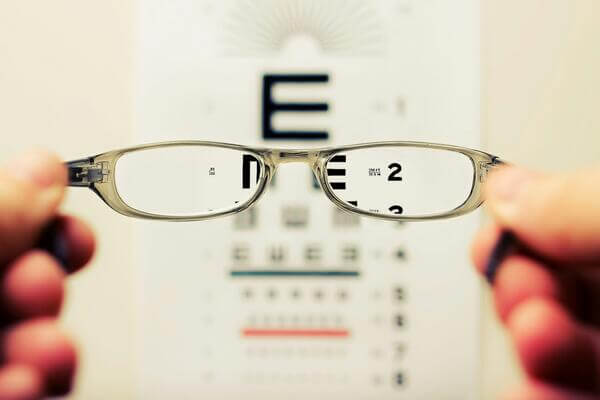
Visual impairment is a broad term that refers to a significant reduction in a person’s ability to see that cannot be fully corrected with standard prescription eyewear or contact lenses. It is important to understand that visual impairment is not a single, uniform condition — it exists on a wide spectrum that ranges from mild low vision to total blindness, and every individual’s experience of vision loss is unique. The World Health Organization defines low vision as a visual acuity between 20/70 and 20/400 with the best possible correction, or a visual field of 20 degrees or less. Blindness, by WHO standards, is defined as a visual acuity worse than 20/400, or a visual field of 10 degrees or less. In the United States, the term legal blindness is used specifically to determine eligibility for federal and state programs, and it is defined as a visual acuity of 20/200 or worse, or a visual field of 20 degrees or less, in the better-seeing eye with best correction. Someone with 20/200 vision can see at 20 feet what a person with normal vision sees at 200 feet, illustrating just how significantly this level of impairment affects a person’s ability to perceive the world around them. It is also critical to understand that visual acuity numbers alone do not tell the full story of how vision loss affects a person’s daily life. Two visually impaired Jacksonville residents with identical acuity measurements may have vastly different functional abilities depending on how well they have learned to use their remaining vision, what assistive tools they have access to, and what support systems are in place around them.
Functional vision — the practical ability to use available sight to perform everyday tasks — is just as important as clinical measurements when assessing the impact of visual impairment on a person’s life. A functional vision evaluation goes beyond the standard eye chart and observes how an individual uses their vision in real-world settings: can they scan a room to locate a familiar face? Do they need specific lighting conditions to read or cook safely? How do they navigate outdoor environments with varying terrain and lighting? These are the kinds of questions that a functional vision assessment answers, and the results directly inform what services, accommodations, and training a visually impaired person needs to live and work safely and independently. For visually impaired Jacksonville residents, accessing a thorough functional vision evaluation through a low vision specialist or vision rehabilitation therapist is one of the most important first steps on the path to getting the right support. The Jacksonville Council of the Blind can connect community members with qualified professionals who perform these evaluations and can help translate results into a concrete plan for accessing local and statewide resources. Understanding the full picture of one’s visual impairment is not a discouraging exercise — it is an empowering one that opens the door to targeted, effective support.
Leading Causes of Visual Impairment in Jacksonville and Across Florida
Understanding what causes visual impairment is essential for both prevention and early intervention, and several of the most common causes are highly prevalent in Jacksonville’s diverse and aging population. Uncorrected refractive errors — including nearsightedness, farsightedness, astigmatism, and presbyopia — are the leading cause of visual impairment globally, accounting for approximately 43 percent of all vision loss worldwide, according to the World Health Organization. The encouraging reality is that refractive errors are among the most treatable causes of visual impairment, often correctable with prescription glasses, contact lenses, or surgery. Cataracts, which cause a clouding of the eye’s natural lens and are the leading cause of blindness worldwide, are the second most common cause of visual impairment and are predominantly age-related, making them a significant concern in Jacksonville’s growing senior population. Glaucoma, which damages the optic nerve and is often associated with elevated pressure inside the eye, is responsible for approximately 2 percent of global visual impairment but is one of the leading causes of irreversible blindness in the United States. Age-related macular degeneration (AMD), diabetic retinopathy, corneal diseases, and conditions caused by stroke, premature birth, or traumatic brain injury round out the major causes of vision loss that affect visually impaired Jacksonville residents. Many of these conditions are preventable or treatable when caught early, which is why the Jacksonville Council of the Blind advocates strongly for regular eye exams, public health outreach, and equitable access to eye care for all Jacksonville residents regardless of income or insurance status. Early detection truly saves sight, and awareness is the first step.
Visual impairment in children presents a unique set of considerations that deserves special attention from Jacksonville’s educational and healthcare communities. Vision impairment can profoundly affect a child’s cognitive, emotional, neurological, and physical development by limiting the range of experiences and information they are naturally exposed to through sight. Research shows that nearly two-thirds of children with visual impairment also have one or more additional developmental disabilities, such as cerebral palsy, hearing loss, or other conditions — meaning that visually impaired children in Jacksonville often require comprehensive, multidisciplinary support that goes far beyond vision care alone. Federal law guarantees visually impaired students in Jacksonville’s public schools the right to specialized instruction, assistive technology, and accommodations through an Individualized Education Program (IEP), yet families often need guidance to understand and advocate for these rights. The Florida School for the Deaf and the Blind in St. Augustine, just a short drive from Jacksonville, provides specialized education for students with vision and hearing impairments, offering a rich environment designed specifically to meet their unique learning needs. The Jacksonville Council of the Blind actively supports families of visually impaired children in Northeast Florida by connecting them with educational resources, parent advocacy groups, and peer mentors who understand firsthand what it means to raise a visually impaired child in this community. Every visually impaired child in Jacksonville deserves an education that empowers them to reach their full potential, and JCB is committed to fighting for that right.

Visually Impaired Services in Jacksonville: What Is Available and How to Access Them
State and Federal Programs Supporting Visually Impaired Jacksonville Residents
Visually impaired Jacksonville residents have access to a meaningful network of state and federal programs designed to support independence, education, employment, and quality of life. The Florida Division of Blind Services (DBS), a division of the Florida Department of Education, is the primary state agency serving visually impaired Floridians and offers a comprehensive range of programs including vocational rehabilitation, independent living skills training, assistive technology services, transition assistance for students, and employer education. DBS services are available to individuals who are legally blind or who have a significant visual impairment that limits their ability to work or live independently, and the agency has a district office serving the Jacksonville region. At the federal level, the Social Security Administration provides disability benefits through the Social Security Disability Insurance (SSDI) and Supplemental Security Income (SSI) programs for individuals who meet the legal blindness standard, offering crucial financial support to visually impaired Jacksonville residents who are unable to maintain employment due to their vision loss. The Internal Revenue Service also provides an additional standard deduction for individuals who are legally blind, a little-known financial benefit that can reduce the tax burden on qualifying Jacksonville residents each year. The Americans with Disabilities Act (ADA) provides sweeping legal protections for visually impaired individuals in the areas of employment, transportation, public accommodations, and telecommunications, establishing accessibility as a legal right rather than a courtesy. Vocational rehabilitation services through DBS can fund job training, education, workplace accommodations, and even assistive technology for visually impaired Jacksonville residents who are seeking or maintaining employment. The Jacksonville Council of the Blind helps members understand and navigate all of these programs, providing practical guidance and peer support that cuts through bureaucratic complexity and connects people with the help they are entitled to.
Beyond government programs, Jacksonville’s visually impaired community benefits from a strong network of nonprofit organizations, library services, and healthcare providers committed to vision rehabilitation and accessibility. The Talking Book Library, operated by the Florida Division of Library and Information Services, provides free audio and Braille books and magazines to visually impaired Floridians who cannot read standard print, making a vast library of knowledge and entertainment accessible at no cost. Low vision clinics and vision rehabilitation therapists throughout Jacksonville offer specialized evaluations and training in the use of optical devices, adaptive technology, and compensatory strategies that help visually impaired residents maximize their remaining sight for daily tasks. Orientation and mobility (O&M) specialists train visually impaired individuals to navigate their environments safely and confidently using tools such as white canes and guide dogs, and these services are available through DBS and through the Florida School for the Deaf and the Blind. The Lighthouse for the Blind, NFB chapters, and other national organizations with local presence further expand the ecosystem of support available to visually impaired Jacksonville residents. Assistive technology resources — including screen readers, magnification software, refreshable Braille displays, and talking devices — are increasingly accessible through DBS, nonprofit grants, and affordable consumer technology platforms. For newly diagnosed visually impaired Jacksonville residents who may feel overwhelmed by the landscape of available services, the Jacksonville Council of the Blind serves as a trusted first point of contact, helping individuals identify the right programs for their specific needs and connecting them with people who have walked the same path.
Vision Rehabilitation: Rebuilding Independence for Visually Impaired Jacksonville Residents
Vision rehabilitation is a specialized field of healthcare focused on helping visually impaired individuals develop the skills, strategies, and tools they need to live as independently and fully as possible. Unlike traditional medical treatment aimed at restoring sight, vision rehabilitation works with the vision a person has — helping them use it more effectively and develop compensatory strategies for tasks that their remaining vision cannot support. A vision rehabilitation therapist can work with visually impaired Jacksonville residents in their homes, workplaces, and community environments, teaching practical skills such as cooking safely, managing medications, reading mail, using a computer, and navigating familiar and unfamiliar spaces. Orientation and mobility training is another cornerstone of vision rehabilitation, teaching visually impaired individuals to travel safely and independently using a white cane, environmental cues, and memorized routes. For visually impaired Jacksonville residents who drive, low vision driving evaluations and bioptic telescope training may help some individuals retain the ability to drive safely with specialized optical aids, significantly preserving independence and quality of life. Adaptive technology training — including learning to use screen readers like JAWS or NVDA, voice-controlled devices, and smartphone accessibility features — is increasingly central to vision rehabilitation and opens up a world of digital access for visually impaired individuals of all ages. The goal of vision rehabilitation is not to define what a visually impaired person cannot do but to discover, develop, and celebrate everything they can do with the right training and support. In Jacksonville, access to vision rehabilitation services is available through the Florida Division of Blind Services, private low vision clinics, and community organizations including the Jacksonville Council of the Blind.
One of the most significant barriers to accessing vision rehabilitation services for visually impaired Jacksonville residents is simply not knowing they exist. Many newly diagnosed individuals — and even those who have lived with visual impairment for years — are unaware of the full range of services available to them locally and statewide, and they may be quietly struggling with challenges that trained professionals and assistive technology could dramatically reduce. This is precisely why outreach, education, and community connection are at the heart of what the Jacksonville Council of the Blind does. By hosting monthly meetings, maintaining accessible communication channels, and building relationships with healthcare providers, educators, and government agencies throughout Northeast Florida, JCB ensures that visually impaired Jacksonville residents are informed, connected, and empowered to seek out the services they deserve. Family members and caregivers of visually impaired individuals also benefit from learning about rehabilitation services, as understanding what is available allows them to better support their loved ones and advocate alongside them. Employers in Jacksonville are increasingly recognizing that visually impaired employees with access to the right tools and accommodations are highly capable, dedicated contributors — and JCB can help connect local businesses with resources for creating accessible workplaces. Vision rehabilitation is not a one-size-fits-all service, and every visually impaired Jacksonville resident’s path will look different — but every path deserves to be supported.
| Did You Know? The World Health Organization estimates that 80% of all visual impairment is either preventable or curable with treatment. Regular eye exams, early intervention, and access to quality vision care can preserve sight — making outreach and education a life-changing priority for visually impaired Jacksonville communities. |
The Jacksonville Council of the Blind: Advocating for Visually Impaired Jacksonville Residents
JCB’s Mission and the Community It Serves
The Jacksonville Council of the Blind (JCB) is a nonprofit organization dedicated to cultivating self-confidence, independence, and a strong sense of community among blind and visually impaired individuals throughout Northeast Florida. As a proud local affiliate of the Florida Council of the Blind and the American Council of the Blind, JCB brings the collective advocacy power of these respected national organizations directly to the Jacksonville community, amplifying local voices at the state and federal levels where policy decisions are made. The Council was founded on the belief that every visually impaired Jacksonville resident — regardless of the degree of their vision loss, their age, their background, or the cause of their impairment — deserves to live with dignity, opportunity, and full community inclusion. JCB serves a diverse membership that includes individuals who are legally blind, those with significant low vision, people with progressive eye conditions, seniors experiencing age-related vision loss, and family members and allies who support the visually impaired community. Monthly membership meetings are held on the third Monday of each month from 5:00 to 6:30 PM at Brooks Clubhouse, 2700 University Blvd. West, Jacksonville, with Zoom attendance available for those who cannot join in person. At these meetings, members share resources, celebrate milestones, coordinate advocacy efforts, and build the genuine peer relationships that provide lasting emotional and practical support through the challenges of visual impairment. JCB also collaborates with key partners including the Florida Division of Blind Services, the Talking Book Library, and the Florida School for the Deaf and the Blind to ensure that visually impaired Jacksonville residents have access to a comprehensive network of services and programs. Whether someone has just received a vision loss diagnosis or has been part of the visually impaired Jacksonville community for decades, JCB has a place for them at the table.
Advocacy is not an abstract concept at the Jacksonville Council of the Blind — it is a concrete, ongoing commitment to changing the policies, systems, and attitudes that create barriers for visually impaired Jacksonville residents in their daily lives. JCB members actively engage in local, state, and federal advocacy efforts through the Florida Council of the Blind and the American Council of the Blind, pushing for stronger accessibility standards, greater funding for vision rehabilitation programs, improved Braille education in schools, and expanded employment opportunities for visually impaired Floridians. At the local level, JCB works to hold Jacksonville’s public institutions accountable for accessibility — from ensuring that city buildings have proper Braille signage and accessible crosswalks to advocating for transit options that serve visually impaired residents who cannot drive. The Council also engages in public education efforts aimed at reducing the stigma, misconceptions, and low expectations that visually impaired individuals too often encounter from employers, educators, healthcare providers, and the general public. Every community member — sighted or visually impaired — benefits when Jacksonville becomes a more accessible, inclusive city, and JCB invites everyone to join that effort. The Council distributes information in accessible formats including audio, Braille, and large print, ensuring that its outreach reaches visually impaired Jacksonville residents through channels they can actually use. Advocacy at JCB is powered by the lived experiences of its members, who understand from the inside out what it means to be visually impaired in Jacksonville and what changes are most urgently needed.
How to Get Involved and Access Support Through JCB
Getting connected with the Jacksonville Council of the Blind is simple, welcoming, and genuinely life-changing for many visually impaired Jacksonville residents and their families. Whether you are newly diagnosed and trying to understand your options, a longtime community member looking for peer connection, a caregiver seeking guidance, or an ally who wants to support the visually impaired Jacksonville community, JCB has a role for you. New members are warmly welcomed at monthly meetings, where the atmosphere is one of mutual support, shared experience, and collective empowerment rather than clinical formality. The Council’s peer mentorship culture means that experienced members are always willing to share their personal journeys, answer practical questions, and provide the kind of honest, compassionate guidance that only someone who truly understands visual impairment can offer. JCB also provides referrals to vision rehabilitation services, assistive technology resources, legal aid, disability benefits counseling, and other specialized support through its network of partner organizations throughout Jacksonville and Florida. Employers and educators who want to better understand how to support visually impaired colleagues or students are encouraged to reach out to JCB for guidance, resources, and connections to accessibility experts. The strength of the Jacksonville Council of the Blind has always been its people — the visually impaired Jacksonville residents and allies who show up month after month, year after year, to support one another and fight for a more inclusive community.
If there is one message that the Jacksonville Council of the Blind wants every visually impaired Jacksonville resident to carry with them, it is this: you are not alone, and you do not have to figure this out by yourself. Vision loss is a profound life change that touches every dimension of a person’s existence — their sense of identity, their independence, their relationships, their career, and their sense of belonging in the community. But it is a challenge that tens of thousands of Jacksonville residents are navigating every day, many of them with strength, resilience, humor, and a deep sense of purpose. The Jacksonville Council of the Blind exists to make sure that every visually impaired person in our city has access to the community, resources, and advocacy they need to not just cope with vision loss but to truly thrive despite it. From connecting members with the Florida Division of Blind Services to championing accessible infrastructure throughout Jacksonville, from celebrating National Braille Literacy Month to advocating in the Florida Legislature, JCB shows up for visually impaired Jacksonville residents in every way it can. We invite you to reach out, attend a meeting, and experience firsthand the warmth and strength of Jacksonville’s visually impaired community. Together, we are building a Jacksonville where every resident — sighted or visually impaired — has the opportunity to live fully, independently, and with dignity.